Italy
If you dream of studying in Italy, be sure to read to the end! You will learn why it is worth studying in this country and what the universities there look like.
Italia Bella
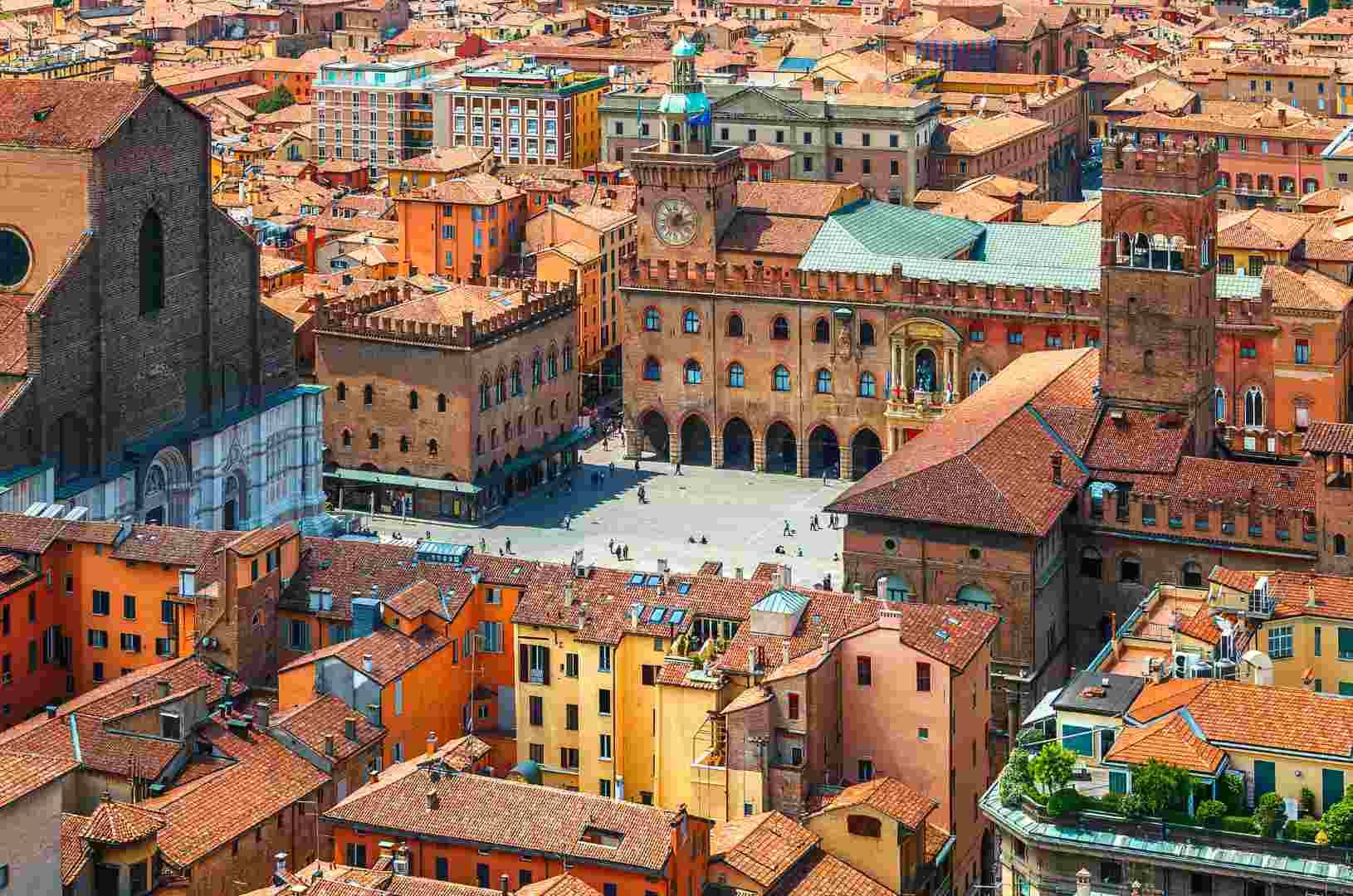
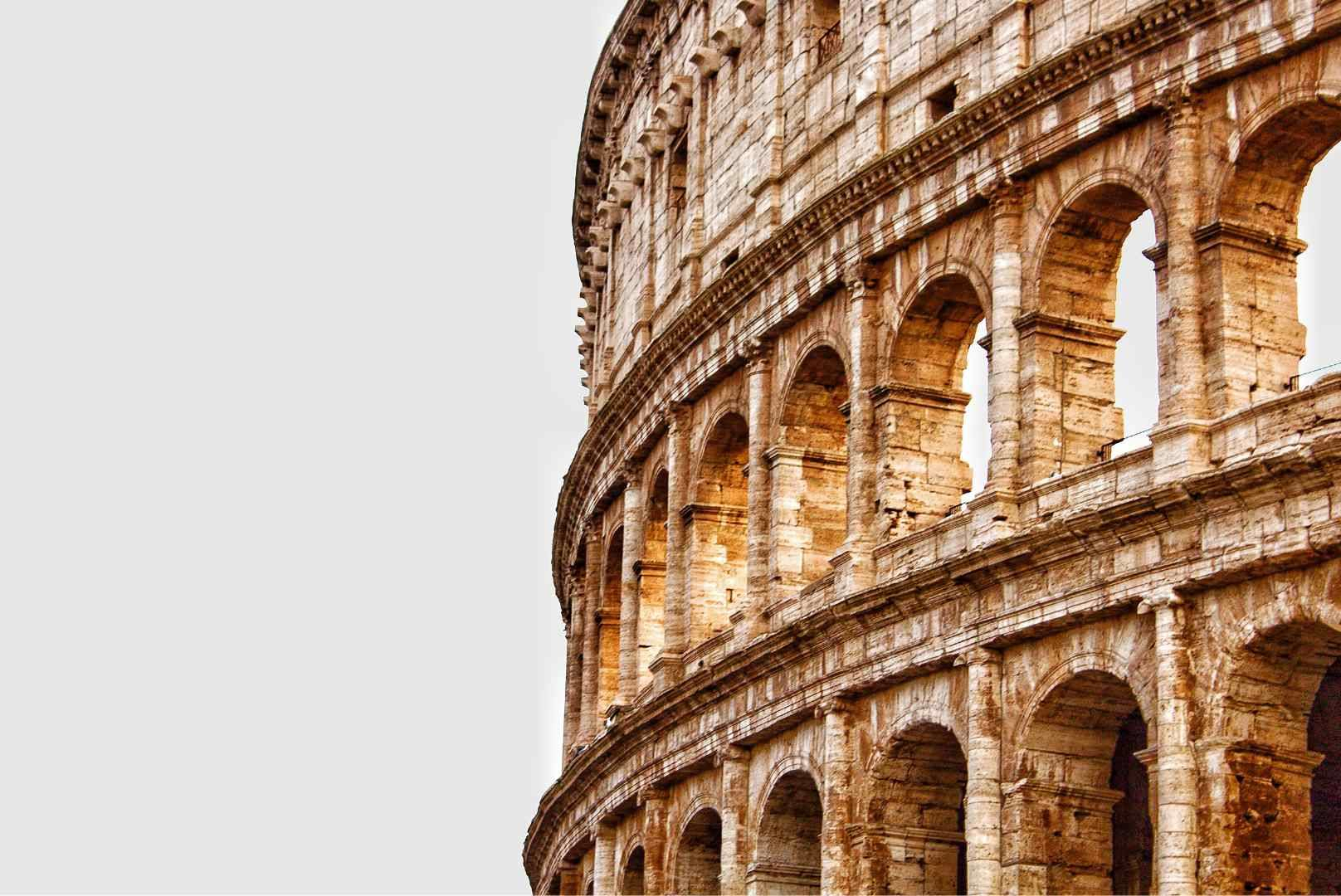
You could write a few thick volumes about how wonderful Italy is. From the snowy peaks of the Alps, through the beautiful Tuscany, Lazio and Campania, to the paradisiacal beaches of Sicily. Every big city is absolutely unique, and the atmosphere of smaller towns and villages is unique.
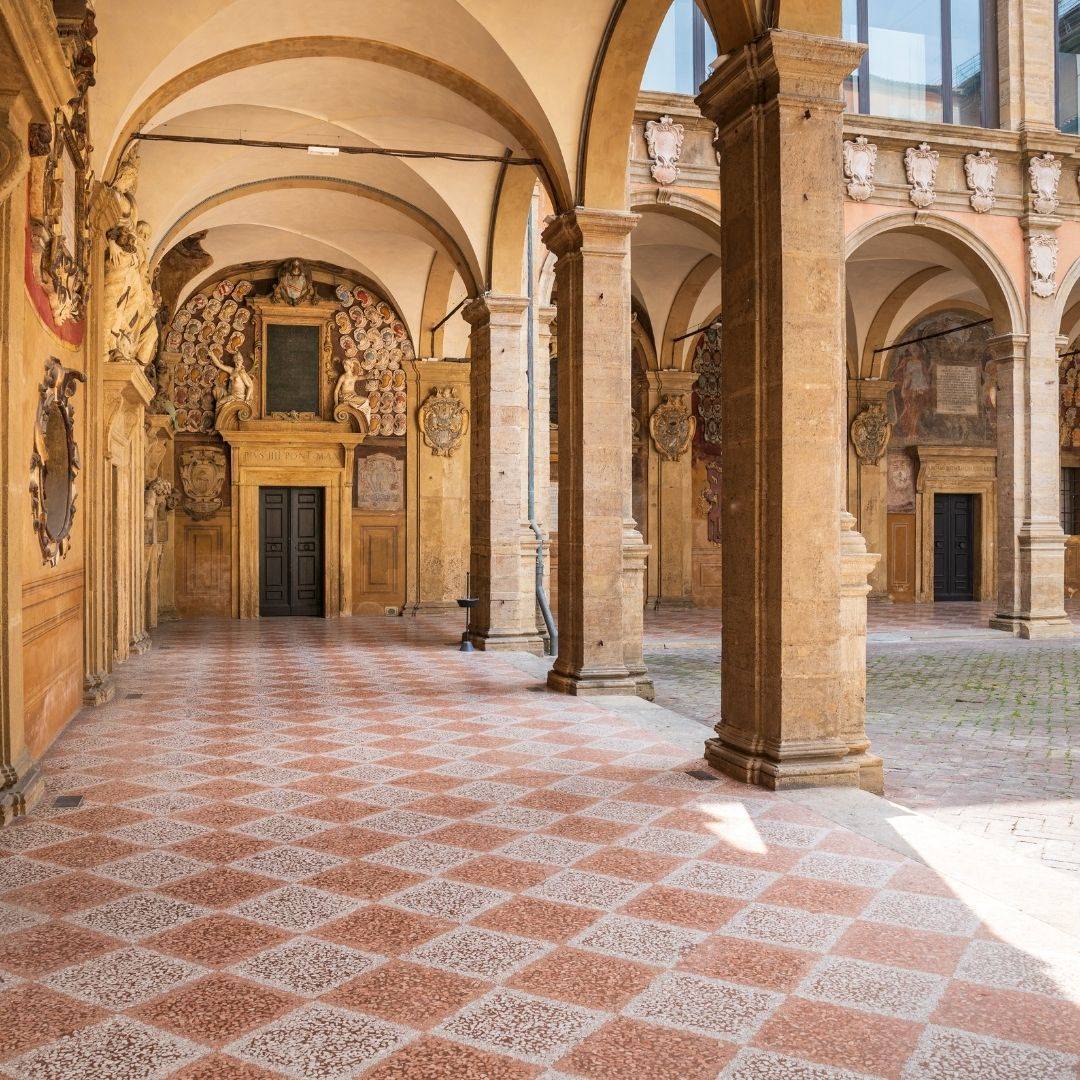
Italy is not only a beautiful and culturally rich Mediterranean country, but also home to the oldest and some of the best universities in the world! If you don’t know Italian, don’t worry, the offer of courses in English is rich. You can study min. in Rome, Venice or at the oldest university in the world, the University of Bologna.
Universities and fields of study
Studying at the oldest university in the world, or perhaps the largest in Europe, with 112 000 students? Do you prefer to study in sunny Sicily, in monumental and magical Rome or in magnificent Florence? There are 90 universities to choose from, most of them public.
The cost of studying at public universities ranges from 900 to 4000€ per year. Many students can count on a grant that will cover their study costs and sometimes also their living costs.

Fields of studies
Whatever your interests are, you are sure to find the right course for you in this country - even in medicine, which is offered in English by so few countries in Europe. If you decide to study economics, business or management, then you should consider choosing the University of Pisa, Bologna, Rome or a private Venetian Foscari. In recent years, the offer of engineering studies has been steadily increasing. If you are one of those interested in this route, then consider min. the highly rated Politecnico di Milano, the Roman La Sapienza offering several courses in English and the Politecnico di Turino. Are you more attracted to the humanities? On the Apennine peninsula, their traditions date back to ancient times, and the Roman La Sapienza boasts a 1st place in the QS WORLD RANKING “Classic & Ancient History”.

Education system
The education system is the same as in most of the European countires:
- Undergraduate studies - 3 years
- Second degree studies 2 years
- Uniform Master's Degree - 5,6 years
The school year is divided into two semesters starting in September or October and ending in June. The exam session lasts 6 weeks and almost all exams are passed orally. But don't worry if it's not your favorite form of credit - you'll get used to it with time. On the exams in Italy, instead of 6, you will receive 30, because the scale of marks there ranges from 0 to 30. It counts from 18. Many foreign students praise the open atmosphere of classes and the relationship with teachers, which is much less formal than in Poland, which promotes dialogue and creative thinking.

Cost of living and studies
Cost of studies: At state universities you pay 900€-2500€ per year, studies at private universities cost between 4000€ and 15000€ per year.
Cost of living: After paying for your studies, 700€-1000€ is enough for you to live in Italy and not refuse to eat delicious pizza, go to the cinema or weekend trips. In financial terms, studying in Italy is much more affordable than many people think. Of course, the cost of living depends on where you will live. Milan, Florence, Rome will be more expensive than, for example, Sicilian Palermo. You can take a general rule that the farther south the cheaper. For example, in Sicily you will find a lot of offers for renting a studio up to 400€, and in Milan you will pay that much for a room in the city center. But the average amounts you should expect are: 200€-450€/month for accommodation, 20€-35€/month for public transport, 200-300€/month for meals and 200-400€ for other expenses.

Application Process
Are you wondering how the application process for studying in Italy works? It is quite different from the one you know in Poland.
Here are the most important points regarding applications to Italian universities:
- Final exams (matura/high school diplomas) – in most cases, they do not affect the outcome of your application. This is important to know! While many students in Poland spend a lot of time preparing for them, in Italy they usually have little to no significance.
- English language certificate – for the vast majority of programs, an appropriate English test is required.
- CV and motivation letter – for some programs, these two documents can play a very important role.
- Admission interview – presenting yourself well during the interview can be an important part of the application.
- Entrance tests – for many programs, entrance tests are required. But here’s the good news! In most cases, these are tests that do not require long-term preparation (they often check general knowledge or critical thinking skills, with exceptions such as medicine and architecture). There are many different types of tests – it’s important to find out whether any of them will be mandatory for you.
- Accreditation of Polish results – obtaining accreditation is required by about 90% of universities. The process is complex, and delays are not accepted.
- Application deadlines – these differ depending on the university and program.
Do you want to find out how we can comprehensively support you through the entire application process and organization of your studies in Italy?
Fill in and send us the form. Take a step toward your dreams today!
Student life in Italy
Italians are known for friendly and open-minded people. You’ll quickly meet friends from Italy and other countries around the world, and the Italian lifestyle will quickly absorb you – eating out and enjoying quality, healthy meals are the foundation of la dolce vita (“sweet life”) for every Italian. Cultural activities include everything from traditional local festivals to major international sporting events. Italian nightlife is always lively, especially in the cities and especially when it comes to students! Italy is also very diverse - during weekends and longer breaks it is worth exploring the diverse regions of this charming country.
Life in Italy
The people of Italy are very contactable and it is easy for them to make friends. Spending time with family and friends is an important part of life for each of them. You can be sure that studying on the Apennine peninsula will give you a joyful and spontaneous spirit.
Italy is the homeland of spaghetti and pizza, but the richness of their cuisine does not end there. Fresh seafood, risotto, tortellini, ravioli, cannelloni are some of the wonderful delicacies of the Apennine peninsula.
Italy was founded in 1861. Today, they are made up of 20 states and each of them is different. These differences will make your experience of Italy even more fascinating! Like almost everyone, do you like to travel? The area of Italy is almost the same as Poland, which means that the distances are relatively small. It takes less than 6 hours to get from Rome to Turin or Venice, and from Milan, at the foot of the Alps, it takes less than an hour to reach Sicily!